EIT RawMaterials Projects

The ambitious vision of EIT RawMaterials is realised by the creation of a structured collaboration within the Knowledge Triangle, which is the basis of the EIT model.

Call for Innovation & Education Projects is now open!

Learn more

EIT RawMaterials Projects Timeline

392 Projects
Project Portfolio
Innovation Themes
Innovation Areas/Lighthouses

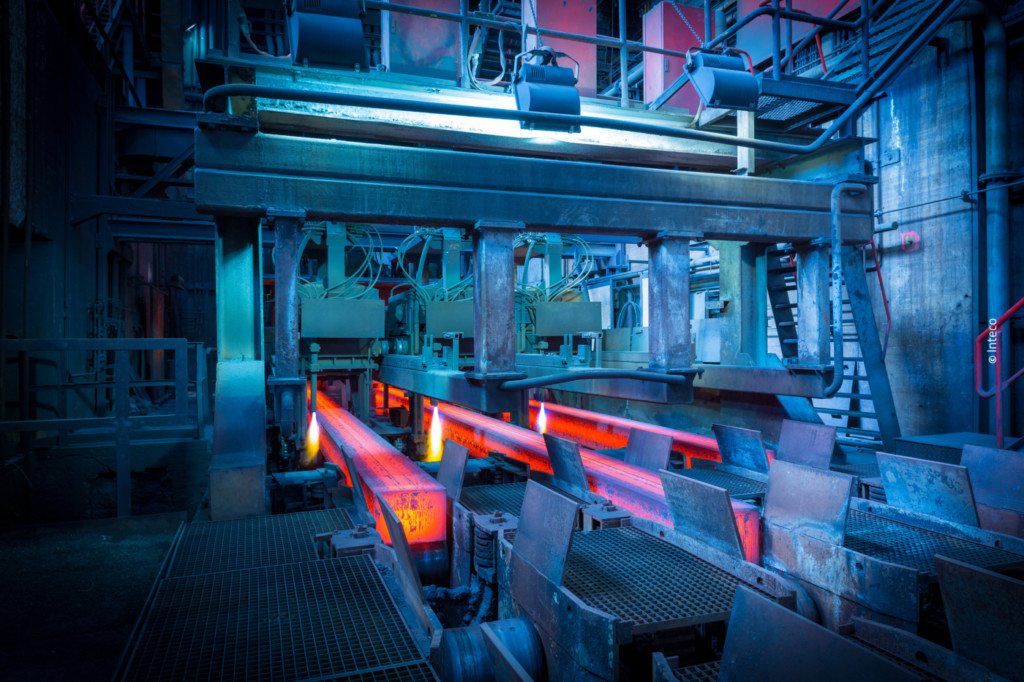
CIRRUS: Circular Residue Usage in the Metallurgical Industry
Objective

The proposed structured life-long education, focusing on the use of secondary resources in metallurgical processes as well as providing the latest knowledge to the participants so far not available will directly result in several advantages for the field.

The solution (technology)

This course will result in increased cooperation between industry institute and academy as well as between different research organizations and between industries from different sectors; enlarged engineering capacity by skilled personnel in terms of T-shaped competences with broad knowledge on secondary material properties and their function in thermal processes but thorough understanding of the process in which the participant are professionally working, and sharing of sectorial and cross-sectorial experience and exchanging knowledge on residue and recycling issues speeding up learning and implementation. These impacts will contribute to improved resource efficiency by enabling new options for recovery and recycling and extracting value out of residue stocks; overcoming barriers for circular material use as e.g. technical, legislations and handling costs; sustainable production by improved industrial competitiveness as a result of improved material efficiency, decreased need for landfill, knowledge contributing to increased flexibility in the selection of alternative raw materials and design of new processes; social impact by securing job opportunities in industry, and positive environmental impact through reduced need for landfill and knowledge enabling environmental friendly recycling for improved material and energy efficiency.

Partnership

For more information, please visit the project web page.

Mineral Processing/Resource Efficiency

CLLEFE-II: Concept for Life Long Education for Foundry Employees II

Project duration: 1 January 2018 – 31 March 2020

Objective

Access to well-educated personnel is commonly seen as the biggest future challenge for the European foundry industry in order to maintain and develop its global competitiveness.

The solution (technology)

The demand for individual education programs and new concepts for flexible learning preferably based on short modules, validation and e-learning therefor increases. CLLEFE II has the ambition to meet these needs by developing E-cast as a future education platform.

Partnership

  • RISE SWECAST AB, Sweden (Lead Partner)
  • AGH University of Science and Technology, Poland
  • Fundación Tecnalia Research & Innovation, Spain
  • Institute of Cast Metals Engineers, United Kingdom
  • Jönköping University (Jönköpings tekniska högskola), Sweden
  • Siec Badawcza Lukasiewicz – Krakowski Instytut Technologiczny, Poland
  • Stiftelsen Bergsskolan in FIlipstad, Sweden
  • Università degli Studi di Padova (University of Padova), Italy
  • Verein für praktische Gießereiforschung, Österreichisches Gießerei-Institut, Austria

For more information, please visit the project web page.

CLLEFE: Concept for Life Long Education for Foundry Employees

Objective

Access to well-educated personnel is commonly seen as the biggest future challenge for the European foundry industry in order to maintain and develop its global competitiveness. The demand for individual education programmes and new concepts for flexible learning, preferably based on short modules, validation and e-learning, therefore increases. CLLEFE II has the ambition to meet these needs by developing E-cast as a future education platform.

The solution (technology)

The European foundry industry is facing major challenges; increasing global competition, more stringent environmental requirements, the need for new technologies and new materials, etc. The biggest challenge of all, however, is the strategic competence supply, which means that the foundries must be able to find, recruit and retain well-educated young people and constantly educate the existing staff, so-called lifelong learning.

The interest in the manufacturing sector is also steadily decreasing in younger generations, leading to a situation where knowledge acquired by generations of foundry workers is being lost. The industry is at a critical point to remedy this situation and the CLLEFE-project wants to provide a solution to this problem by bringing European academia, institutes and foundry or-ganizations to collaborate on the development of a new training concept. It will contain a wide variety of short courses where theoretical elements can be read remotely and practical elements can be studied and assessed through a Europe-wide network of centers that are able to handle practical training and validation, so called Foundry Skill Factories. The courses will be developed based on industry needs and quality assured by experts from the foundry industry. Teachers will be trained in the pedagogy required when you change from classroom teaching to courses on the Internet. Furthermore, validation will be introduced as a tool for identifying individual training needs and to individualize the education. Last but not least, the project will develop a business model so that the training concept creates an income which will be used for continuous improvement and further development in line with industry needs.

Partnership

Swerea SWECAST AB, Sweden (Lead Partner)
AGH University of Science and Technology, Poland
Austria Foundry Institute (OGI), Austria
Fundación Tecnalia Research & Innovation, Spain
Institute of Cast Metals Engineers, United Kingdon
Instytut Odlewnictwa w Krakowi (Foundry Research Institute), Poland
Jönköping University (Jönköpings tekniska högskola), Sweden
Stiftelsen Bergsskolan i Filipstad, Sweden
Università degli Studi di Padova (University of Padova), Italy

Sustainable Mining

Closurematic: Management Tool for Continuous Mine Closure

Project duration: 1 January 2018 – 01 April 2021.

Objective

Conventional mine closure management plans (CMP) printed on paper are poorly suited for the current practice of continuous mine closure. The Closurematic project aims to improve mine closure through digitalization by creating a versatile tool that helps in planning and managing the closure process. Mine closure is important for the European mining industry because the social license to operate in a densely populated region requires environmental excellence from the operations. Mine closure and the post-closure period is key here due to its major importance for the environmental impacts of mining. In addition, the post-closure period provides a wealth of opportunities for sustainable benefits from mining, if the closure is planned and managed properly.

Mine closure is a long, continuous process that starts already in the planning phase of the mining project. It presents a major management challenge due to its complexity, uncertainties, and the multitude of internal and external stakeholders involved. It also involves considerable financial liabilities and sureties. In most cases, official closure plans also are required by the mining and environmental authorities.

The solution (technology)

Closurematic improves on the current practice of having a closure management plan on paper and stored in a folder with a digitalized system for making an ‘enhanced CMP’. It provides the user with templates for constructing CMPs for each phase of the mining operation, offers context-sensitive technical support should the user need that, provides templates for making official mine closure documents that can be tailored to each jurisdiction, includes features that help in communicating the closure process with external and internal stakeholders, and helps in tracking the costs of closure and the outstanding liabilities.

Partnership

  • Geological Survey of Finland (GTK), Finland (Lead partner)
  • The French geological survey (BRGM), France
  • DMT GmbH & Co. KG, Germany
  • Hannukainen Mining Oy, Finland
  • M-Solutions Oy, Finland

For more information please visit the official website of the project.

Substitution

COFREE: Developing cobalt-free substitutes for cemented carbide tools – for use in mining and manufacturing

Project duration: 22 March 2016 – 22 March 2019

Objective

Given concerns about the possible reclassification of cobalt as a carcinogen, this project aims to find a substitute to cobalt that is feasible to use in cemented carbide tools. Cemented carbide tools are widely used in mining and manufacturing industries. Accordingly, the objectives of this project are to:

  • Develop production and quality control processes to manufacture cobalt-free cemented carbide tools
  • Test the performance of these tools in customers’ mining operations and manufacturing processes

Our intent is that customer firms can straightforwardly substitute their existing tools – without the need for investments in new equipment or changes to their ongoing production and maintenance programmes.

The solution (technology)

Our solution comprises of:

  • An iron-nickel alloy design
  • Know-how about the electro-mechanical properties of this iron-nickel alloy, also when it is formed into complex tool shapes
  • Know-how about sintering, specifically with respect to cemented carbide tool manufacturing and quality control processes
  • Transformation of these areas of know-how into manufacturing and quality control procedures for the industrial production of cemented carbide tools
  • Know-how about tool performance requirements with respect to specific customers’ given production and maintenance operations in mining and manufacturing

Partnership

  • KTH Royal Institute of Technology, Sweden (Lead Partner)
  • Epiroc Drilling Tools AB, Sweden
  • Epiroc Rock Drills AB, Sweden (Atlas Copco)
  • Freeport Cobalt Oy, Finland
  • Sandvik AB, Sweden
  • Sandvik Coromant AB, Sweden
  • Sandvik Machining Solutions AB, Sweden
  • Uppsala University, Sweden
Mineral Processing/Resource Efficiency

CONSENSO: Continuous sensing for the on-line monitoring of metallurgical processes

Project duration: 1 January 2018 – 31 March 2021

Objective

The precise control of metallurgical processes is critical to producing metallic materials with the correct properties. Sensing is currently performed non-continuously: temperature is measured by using one-shot disposable thermocouples in melts, while chemical analysis is done by sampling a small amount of the melt and measuring its composition off-line in a chemical analysis lab. Variations of temperature and/or chemical composition between two measurements may lead to variation in product properties and quality. However, the metallurgical industries have significant challenges to continuously measure temperature and chemical compositions due to lack of accurate measurement technologies that can operate under extreme conditions of high temperature, dust, and corrosive environments.

Some techniques, based on the spectral analysis (temperature) and laser-induced breakdown spectroscopy (chemical composition), have been demonstrated in various environments (lab and industrial sites) with excellent results and now require long-term industrial trials and validation before going to market, as well as a feasibility study to select commercialisation routes and partners.

The solution (technology)

The objective of the proposed upscaling project is, therefore, to validate the two on-line sensing technologies in selected industrial case studies together with an instrument provider, to evaluate their impacts mainly in terms of resource efficiency (energy and material savings) and competitiveness for the end-users, and to prepare for their commercialization. The targeted output of the project is a clear route towards commercialization of the techniques within 2 years after the end of the project.

Partnership

  • Swerea KIMAB AB, Sweden (Lead partner)
  • Agellis Group AB, Sweden
  • LTU Business AB, Sweden
  • RISE Acreo AB, Sweden
  • Sandvik Materials Technology AB, Sweden
  • Zanardi Fonderie S.p.A, Italy
Mineral Processing/Resource Efficiency

COPPLEX: New Sustainable Process to Treat Complex Raw Materials, Revaluating Residues

Project status: Completed.

Objective

The objective of the COPPLEX project is upscaling a dust treatment process to demonstrate a solution process for flexible and economic treatment of complex copper ores through impurities management, treatment and revaluation.

The solution (technology)

The process produces an inert residue that contains removed arsenic, precipitated in a stable form, with no effect on wastewater quality, which is currently the main concern when the impurity content in concentrates.

Impact

  • Improvement of the flexibility of smelters to treat complex concentrates
  • Waste minimisation: weak acid recovery and production of a non-hazardous waste
  • Recovery of Cu by electrowinning directly from the purified leach liquor avoiding an intermediate solvent extraction step
  • This process will lead to a better use of European Raw Materials

Partnership

Mineral Processing/Resource Efficiency

CORTOOLS: Co-creation of corrosion monitoring and prediction tools
Project duration: 1 January 2019 – 31 December 2021

Objective

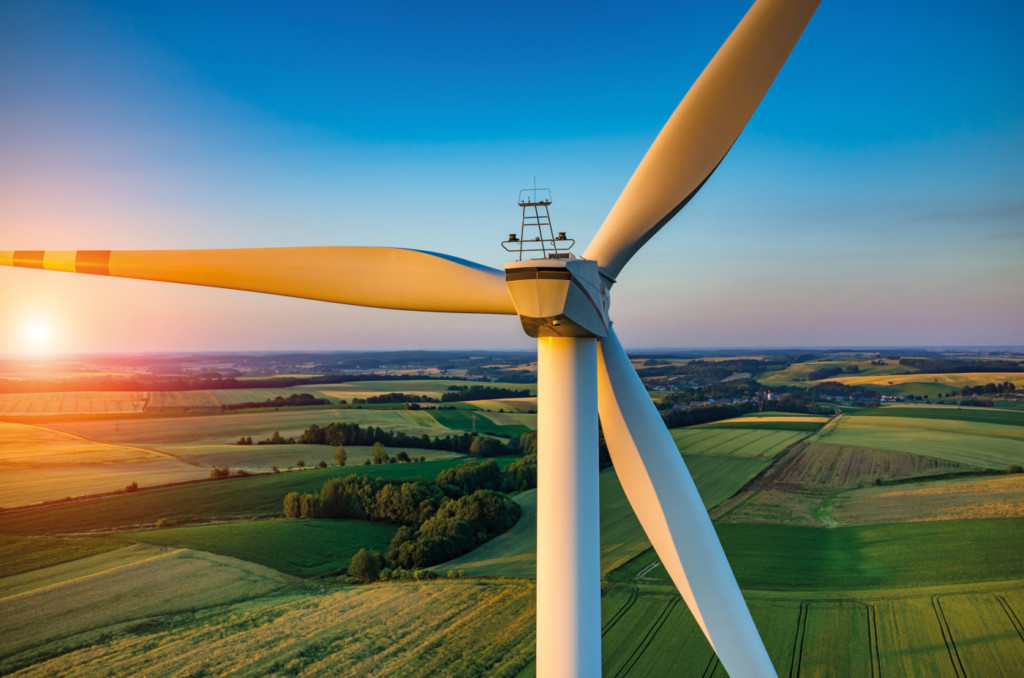
Corrosion is the most important materials failure mechanism in the industry and annually responsible for the costs amounting approximately to 2 trillion €. In this project, corrosion on-line monitoring and prediction software tools are developed to respond to the needs of raw materials industry. The market potential of the tools lies in all industry sectors facing challenges with materials durability operating in harsh conditions.

The solution (technology)

The corrosion on-line monitoring and prediction software tools provide the raw materials sector with a footstep towards digitalization. Another large progress is the link to artificial intelligence (AI); here, it is used in the computational modelling, yet remote collection of on-line monitoring data allows for the hidden causalities in the project conditions (e.g., mineral quality in hydrometallurgy) and the detected corrosion rate to be disclosed with the aid of AI.

Partnership

  • Teknologian tutkimuskeskus VTT (Technical Research Centre of Finland Ltd. VTT), Finland (Lead Partner)
  • Boliden Harjavalta Oy, Finland
  • Data Measuring Systems DMS d.o.o. Golnik, Slovenia
  • Fundación Tecnalia Research & Innovation, Spain
  • HiMat Engineering AB, Sweden
  • Outokumpu Stainless AB, Sweden
  • Outotec (Finland) Oy, Finland
  • Zavod za gradbenistvo Slovenije, ZAG (Slovenian National Building and Civil Engineering Institute), Slovenia
Circular Economy

CRAFTH: CiRcular design & manuFacTuring Hackathon

Project duration: 1 January 2020 – 31 December 2021

Objective

CRAFTH is a circular design hackathon where companies will offer real life cases to make products more circular via prototyping.

The solution (technology)

These challenges will be tackled by multidisciplinary teams consisting of PhD students and professionals. The objectives are twofold: making selected products more circular on the one hand and generating new insights for participants on circular product design by handson training on the other hand.

Partnership

  • Ghent University, Belgium (Lead Partner)
  • Hub Innovazione Trentino – Fondazione (HIT), Italy
  • TU Clausthal (Clausthal University of Technology), Germany
  • Vlaamse Instelling voor Technologisch Onderzoek NV (VITO), Belgium
  • Arkema France, France
  • Aalto-Korkeakoulusaatio (Aalto University), Finland

For more information, please visit the project website.