EIT RawMaterials Projects

The ambitious vision of EIT RawMaterials is realised by the creation of a structured collaboration within the Knowledge Triangle, which is the basis of the EIT model.

Call for Innovation & Education Projects is now open!

Learn more

EIT RawMaterials Projects Timeline

392 Projects
Project Portfolio
Innovation Themes
Innovation Areas/Lighthouses

Substitution

OPTNEWOPT: Materials substitution in optoelectronic devices
Project duration: 1 March 2016 – 28 February 2019

Objective

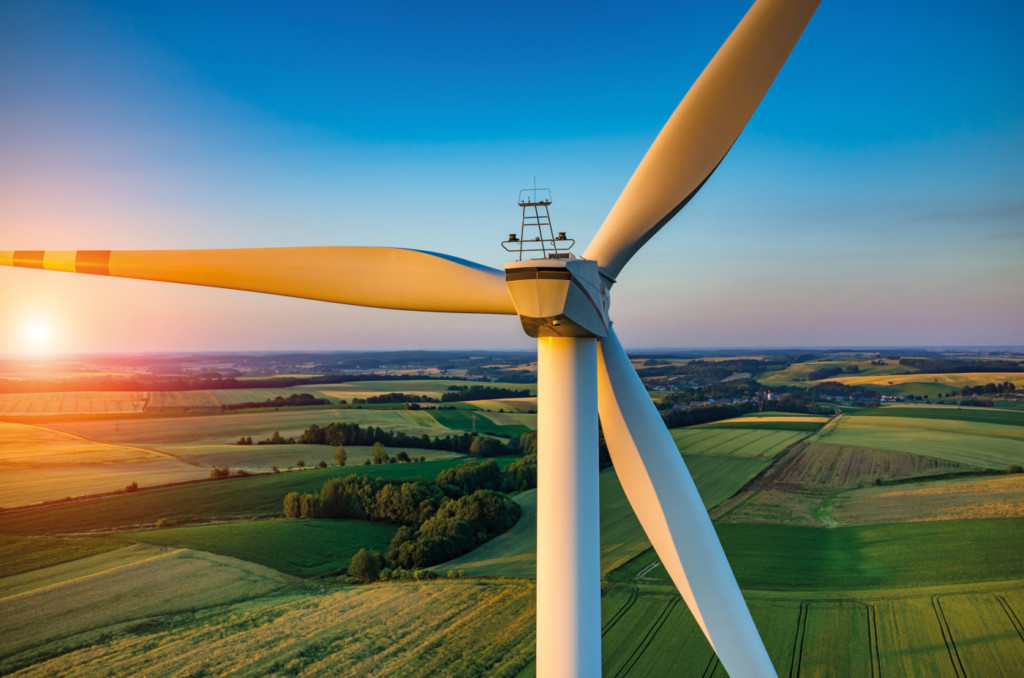
OPTNEWOPT proposes to study and develop new materials and processes for the substitution of indium, gallium, and germanium in optoelectronic and photonic devices, as well as support European laboratories and companies working in this sector.

The solution (technology)

The great increase of the consumption of indium, gallium and germanium in the last years, because of the strong demand for photovoltaic panels, displays, LEDs, photodetectors, etc., and the geographical positions of the production sites (Europe imports most of these materials, and mines and recovers few or nothing of them), have induced large oscillations of their prices. Therefore, the reduction of the use of In, Ga and Ge is a fundamental issue to be solved for the development of future photonic devices.

OPTNEWOPT partnership extensive competence in materials, processes, devices, and characterization techniques is perfectly suited to offer a range of solutions and support to the possible customers.

Partnership


Circular Economy

ORCERIS

01 January 2018 – 31 March 2020

Objective

How do you recognize a real business opportunity that is not just another new idea? ORCERIS aims at increasing the success rate of new business ideas for the circular economy and raw materials.

The solution (technology)

ORCERIS aims at increasing the success rate of new business ideas for the circular economy in the ESEE region (Hungary and Slovakia). This is done through ‘Opportunity Recognition and Exploitation Workshops’ (OREW), a format that uses pattern recognition techniques and gamification to enhance peoples’ skills to recognize opportunities and identify suitable circular business models. The workshops will be tailored to the strengths and needs of the region, and specifically target (aspiring) entrepreneurs and innovation managers from SMEs. Idea implementation will be supported by mentoring a network of locally embedded business support and science institutions.

Partnership

  • Flemish Institute for Technological Research NV (VITO), Belgium (Lead partner)
  • Bay Zoltan Nonprofit Ltd. for Applied Research, Hungary
  • Radboud University Nijmegen, Netherlands
  • Technical University of Kosice, Slovakia
  • Wuppertal Institute, Germany

OREVAL: experts and facilities for ore characterisation

Objective

Provide easy access to world class facilities for Raw Materials characterization. Trigger new research development in the field of Raw Materials characterization. Facilitate new characterization technologies transfer and adoption.

The solution (technology)

The OREVAL manager, act as a single point of contact who has experience in experimental development and the integration of different characterization techniques. She can help the industry professionals to assess innovative ideas or to identify the right partner to provide from the proof of concept to the prototyping of innovative technologies.

In latter stage, the OREVAL manager helps the industry partners to submit ‘up-scaling’ project in order to fund technology transfer.

Partnership

For more information, please check the official website of the project.

For privacy reasons YouTube needs your permission to be loaded.

I Accept

OSMOTI: Online Simulation and Modeling Toolbox for Innovators

Project duration: 1 January 2018 – 31 March 2021

Objective

OSMOTI combines education in process metallurgy with innovation and entrepreneurship to tackle tough competition within the steel producing industry, which demands innovative solutions. OSMOTI does this by digitalising the course content and explicitly including innovation and entrepreneurship into the course lecture material, assignments and grading criteria.

The solution (technology)

In the course the students will solve problems of industrial relevance using state-of-the-art simulation software for computational fluid dynamics and thermodynamics. In addition, the course also enables students to develop their project management, innovation and entrepreneurship skills. Early in the course there will be a problem formulation seminar (Dragon’s Den) in which an evaluation board consisting of both academia and industry will evaluate the student project ideas. At the end of the course students will present their solutions to the industrial problems at an open seminar.

Partnership

OvERcoME: Open Innovation Raw Material
Objective

The OVeRcoME project objective is to build on top of the established Open Innovation (OI) body of knowledge a set of best practices and tools specifically tailored to the specificities of raw material companies, and the development of new innovation methodology, increased cooperation, shorter innovation cycles, development of a new service.The key audience is initially the EIT RawMaterials community and later on, it will be the whole EIT community.

The solution (technology)

This ESS project will draw from the principle of Open Innovation 2.0 and will draft the first set of tools aimed at helping companies from the Raw Material field to systematically foster and nurture an OI approach.

Partnership

Exploration

PAiRED-X: Portable Analyzer combining fluoREscence and Diffraction of X-rays

Project duration: 1 January 2018 – 31 March 2020

Objective

In order to minimize the risks mining bears as a field, it is important to have the best in-depth, well-defined understanding of the geological area when developing prospective sites. The science of prospecting for deposits large enough for commercial viability involves extensive fieldwork prior to any extraction operation. Mining exploration includes material sampling and analysis which is costly and time-consuming when performed with traditional laboratory-based methods.

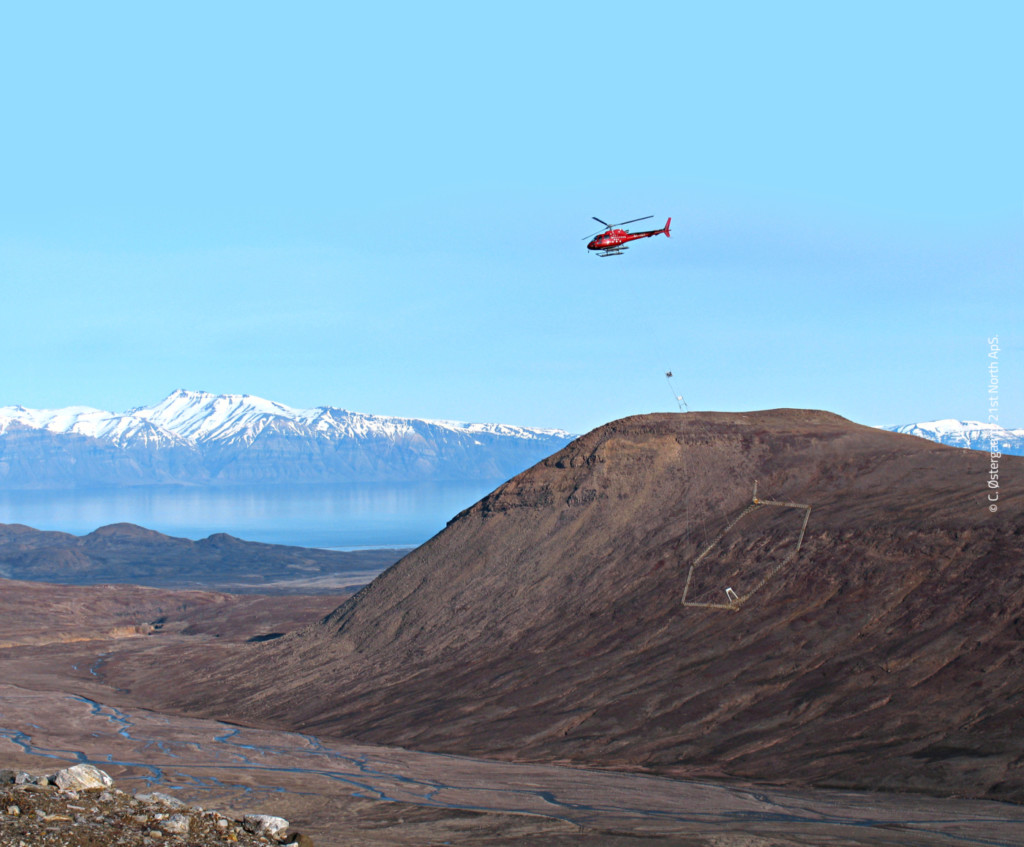
Among all techniques used presently and in the past, the more powerful, accurate and complete to obtain geochemical data are the XRD and XRF. These two analytical techniques are complementary as one, the XRD, permits to identify and quantify the mineralogical phases (e.g. Kaolinite, Calcite, Talc) but not the chemical composition, where the other, the XRF, can identify the chemical elements (e.g. Ca, Si, Fe) but not in which form they are present.

The solution (technology)

We aim at building and testing a portable instrument combining X-ray diffraction and fluorescence. Diffraction provides the mineralogy and fluorescence the elemental composition.

A small, portable, instrument to perform accurate quantitative chemical and phase analyses can lead to several advantages in the raw materials sector outside the exploration and mining field:
• Raw materials quality controls
• Higher materials and energy saving
• Higher quality of final products
• Recycling of materials
• Air pollution controls

Partnership

  • Università degli Studi di Trento, Italy (Lead partner)
  • The French geological survey (BRGM), France
  • Geosciences Conseil, France
  • ERAMET Research, France
  • Fondazione Bruno Kessler, Italy
  • Université Paris Sud (GEOPS), France
  • Hub Innovazione Trentino S.c.a.r.l. (HIT), Italy
  • Politecnico di Milano, Italy
  • Thermo Fisher Scientific – INEL SAS, France
Circular Economy

PANORAMA: Physical AccouNts Of RAw MAterial stock and flow Information Service

Project duration: 1 January 2019 – 31 December 2021

Objective

To date, there is no reliable information service that maps the flows and stocks of materials yet – information that should be the basis of any type of materials management. By improving this sector, competitiveness in Europe will be enhanced overall, with a underlined focus on sustainability.

The solution (technology)

This project proposes to create such a service, well aligned with the EU DG JRC’s Raw Materials Information Service (RMIS). It will utilize the experience gathered in a large number of underlying EU funded projects. This will link information about materials to standard economic accounting, which in turn helps authorities, investors, and firms to assess how sound materials management will support economic performance and jobs. It will help industrial firms and associations to understand supply chain vulnerabilities, as well as further understanding of the ‘urban mine’ – what volumes of secondary materials are where, and what this means for an optimal economy of scale for their exploitation.

Partnership

  • Leiden University, Netherlands (Lead Partner)
  • Bureau de Recherches Géologiques et Minières, BRGM (The French geological survey), France
  • Fraunhofer-Gesellschaft zur Förderung der angewandten Forschung e.V. (Fraunhofer), Germany
  • Geological Survey of Denmark and Greenland, GEUS, Denmark
  • Ghent University, Belgium
  • Nederlandse Organisatie voor Toegepast Natuurwetenschappelijk Onderzoek, TNO (Netherlands Organisation for Applied Scientific Research), Netherlands
  • United Nations University, Germany
  • Université de Bordeaux, France

PARADE: Best practices for Pre-demolition Audits ensuring high quality RAw materials
Project duration: 1 January 2018 – 31 December 2019

Objective

The project will develop lifelong learning materials on best practices for pre-demolition waste audits. The aim is to provide a harmonised approach for performing waste audits making references to legislation and benefitting existing studies, KCAs and information on best practices collected. The planning of the education material will take into account the current gaps and knowledge needs identified in the European member states.

The solution (technology)

Construction and demolition waste (CDW) is the biggest waste stream in the EU, accounting for over 800 million tonnes per year (excluding soil). CDW has received more and more attention in the past few years as it is a lens to understanding the potential for resource efficiency improvement in the construction sector. Indeed, CDW has a high potential for re-use and recycling, since some of its components have a high resource value and/or can be readily recycled. In particular, there is a market for aggregates derived from CDW waste in roads, drainage and other construction projects. But the recycling potential of CDW is still underexploited. The major challenge is the poor quality of the waste. The increasing awareness of hazardous substances in old construction materials as well as more efficient detection methods are expected to slightly decrease the recycling rate. Here the pre-demolition audit is seen as efficient tool to improve the quality of waste.

A pre-demolition waste audit is a tool enlisting and assessing all materials (and their potential value) within a building prior to demolition activity, and is typically executed by external experts. Pre-demolition waste audits are essential since they enable all the stakeholders involved to get information on the composition of waste and to make it easier to find markets for different waste types. It is likely that the European Commission will recommend all Member States to make this pre-demolition waste audit mandatory to increase the high quality recycling of construction and demolition waste.

A general framework for waste auditing in demolition activity has been developed in a study funded by DG GROW . A pre-demolition waste audit, if performed correctly, can significantly promote the production of good quality raw material from C&DW works. Supporting training material and leading waste auditing examples can strongly enhance the knowledge of professionals in the sector, increasing the quality of these pre-demolition waste audits. This project is a continuation to the DG GROW contract work.

Partnership

For more information, please visit the project web page.

Recycling

PCRec: Product Centric Recycling
Project duration: 1 February 2016 – 31 December 2018

Objective

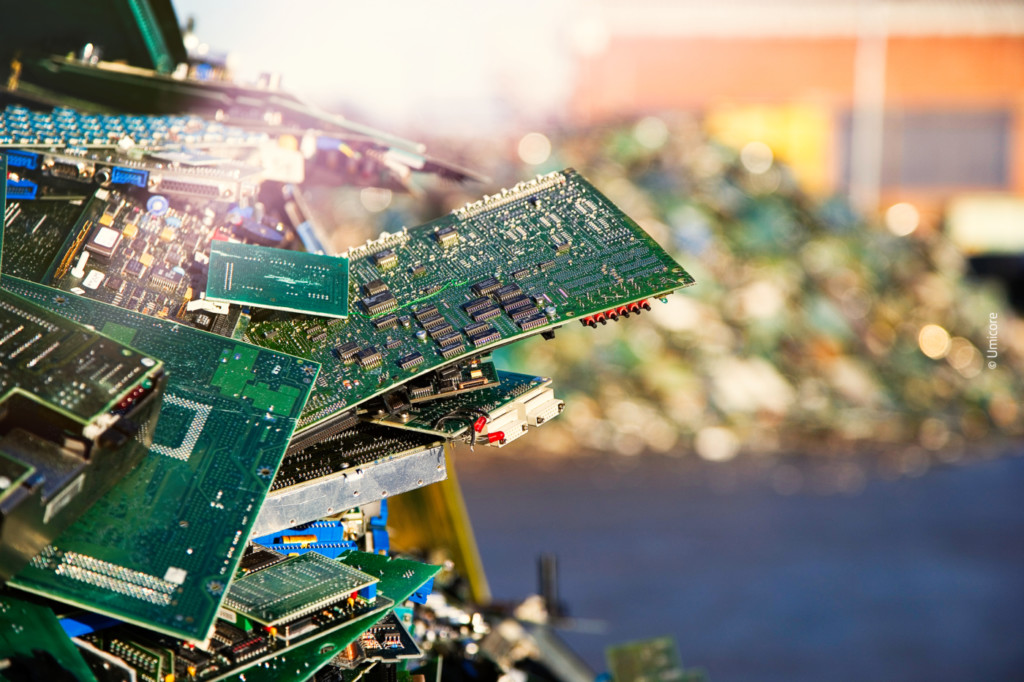
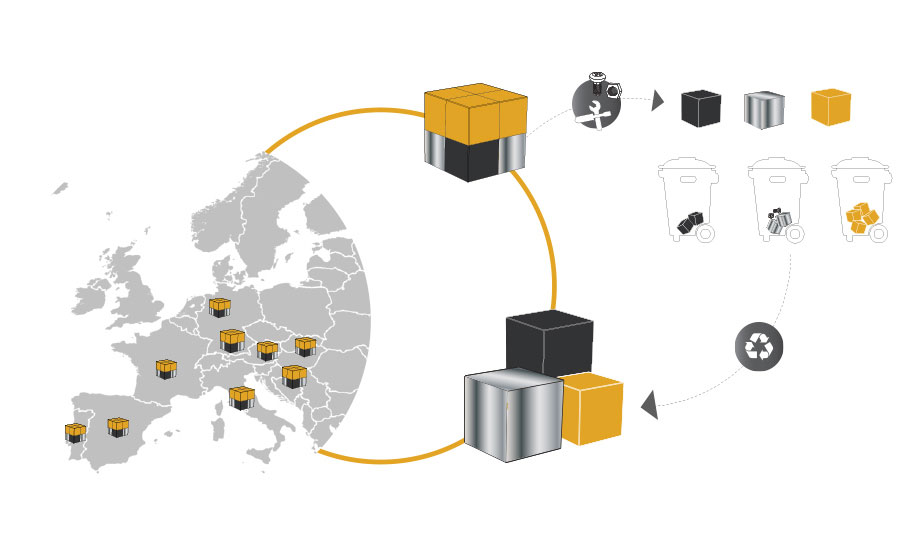
Product Centric Recycling is a Network of Infrastructure aiming to implement a long-term self-sustainable excellence Network dedicated to provide services to external customers for the development and implementation of sustainable ready to market technology solutions for the product centric recycling of raw materials from Waste Electrical and Electronic Equipment (WEEE).

Consortium assures almost complete territorial coverage along Europe, as well as technologies and matrix/elements coverage in the recycling value chain of targeted WEEE (PCBs, lighting devices, permanent magnets, LCD flat screens).

Main customers of the network will be European SMEs, but also LE and education organization, in order to assure also indirect benefits for the KIC, leveraging effect on other KAVAs (up-scaling, education).

The solution (technology)

PCRec is a Network of Infrastructure dedicated to product centric recycling, mainly focused on printed circuit boards, lighting devices, LCD flat screens, permanent magnets. The infrastructures cover six areas of recycling: Characterisation, Pre-Treatment, Materials Recovery, Environmental assessment, Business plan

Partnership