EIT RawMaterials Projects

The ambitious vision of EIT RawMaterials is realised by the creation of a structured collaboration within the Knowledge Triangle, which is the basis of the EIT model.

Call for Innovation & Education Projects is now open!

Learn more

EIT RawMaterials Projects Timeline

392 Projects
Project Portfolio
Innovation Themes
Innovation Areas/Lighthouses

MINERS: Mine Emergency Response and Rescue School
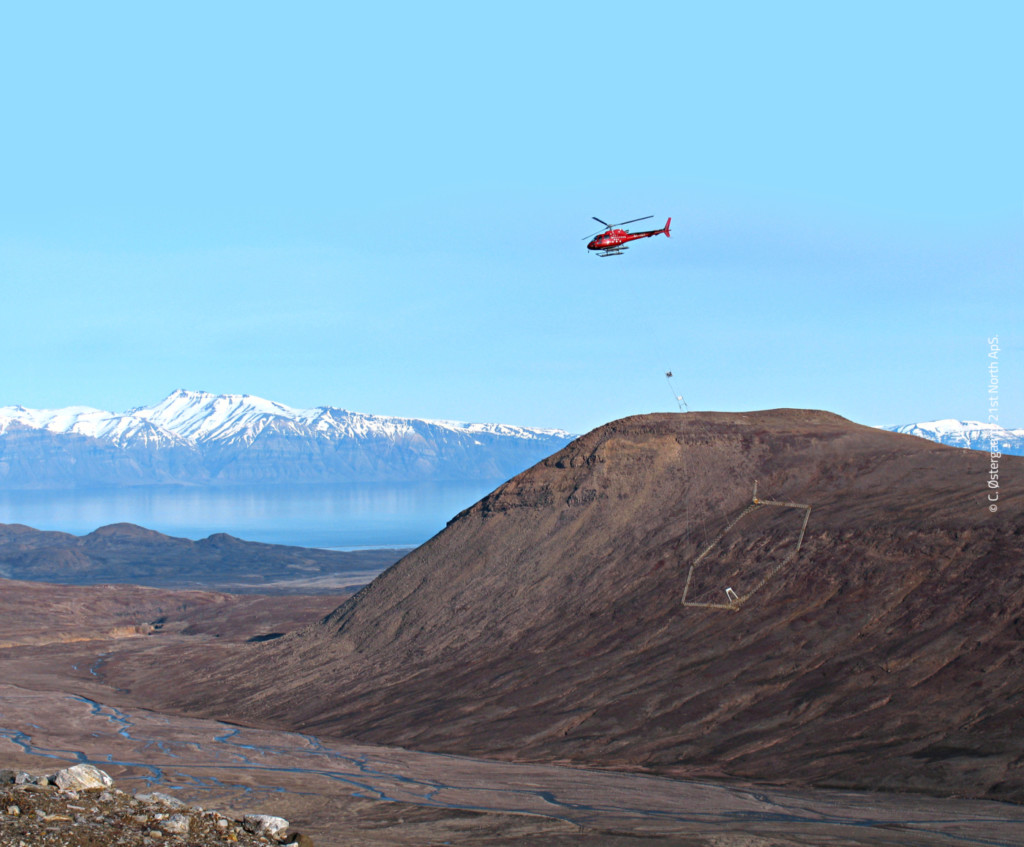
Project duration: 01 January 2018 – 01 March 2020

Objective

MINERS aims to establish an international mine emergency response and rescue training module for integration into university master’s and PhD curricula. It will combine the know-how of different international universities, companies and experts and will prepare students to work in the fields of mine emergency response, rescue operations and crisis management.

The solution (technology)

Mine Emergency Response(MINERS) and rescue School aims to create an international program to teach students important skills in fields like mine rescue, emergency response and safety management. The students will not only learn the theoretical backgrounds of national and international safety standards and rescue procedures, but they will also be trained under real life conditions, supported by experts, to learn proper skills to run a safe and successful rescue mission.

Within MINERS an international uniform mine rescue program will be established that brings together students form different universities trained by international experts, who have personally been involved in mining accidents and have led rescue operations all over the world.

Partnership

For more information, please visit the project web page.

Exploration

MineService: Mining/Mineral Support Services

Project duration: 1 April 2016 – 31 March 2019

Objective

The project is a public mineral intelligence system to support authorities (on national, regional or local level) at the decision-making process and to facilitate industry to enter into new markets.

The solution (technology)

The project will create a network, and a compendium of good practices and improve technical tools for raw materials management, transfer the knowledge and increase capacity building in mineral management on a test site (Macedonia).

Partnership


Sustainable Mining

MineTALC: Backfill Mining Optimisation for Low- and Medium- Strength Deposits

Project duration: 2 March 2020 – 2 March 2023

Objective

A breakthrough mining and backfilling system will be developed to enable economically viable, environmentally sustainable and socially accepted mining of mineral resources from low/medium strength deposits. The system will integrate three innovated technologies ready for market launch – mining and multi-layered core backfilling technology, closed flotation circuit, and innovative prediction model of spatial mineralization distribution.

The solution (technology)

The project will operationally validate (TRL 9) a breakthrough mining and backfilling system enabling economically viable, environmentally sustainable and socially accepted mining of mineral resources from low and medium strength deposits. The system will integrate three innovated technologies ready for market launch (used separately or as a comprehensive mining and backfilling system):

1. Mining and multi-layered (combination of solidified and non – solidified backfill layers with different properties) core backfilling technology combining solid backfill mixtures and binder paste backfill, enabling economical extraction of low and medium strength deposits.
2. Closed flotation circuit as a highly versatile mineral separation aiming for zero-waste operation
3. Innovative prediction model of spatial mineralization distribution and other geological phenomena showing the best mineralisation sites and determining the extraction technology by a comprehensive analysis of the critical mineral exploitation factors

As part of the project, a state-of-the-art ESEE/RIS competence and training centre will be developed for supporting the KTI in developing qualified workforce in the ESEE/RIS mining, metallurgical and civil engineering industry.

The technologies will serve the “industrial minerals” industries with a positive growth since statistically recorded. In 1984 the worldwide mined tonnage was 460.033.310tons. In 2015 (last available data) the worldwide production was 791.299.011t. This is a growth of 72% in 31 years, and still growing.

Partnership

  • AGH University of Science and Technology, Poland
  • BASF Construction Solutions GmbH, Germany
  • BASF PLC, United Kingdom
  • BASF SE, Germany
  • DMT GmbH & Co. KG, Germany
  • euroMinerals GmbH, Austria
  • EuroTalc, Slovakia
  • Lappeenranta-Lahti University of Technology, Finland
  • Metso Minerals Oy, Finland
  • Metso Outotec Oyj, Finland
  • University of Miskolc, Hungary
  • Technical University of Kosice (Lead Partner), Slovakia

MINETRAIN: Economic Study and Implementation of Pyhäsalmi Mine Open Education and Research

Project duration: 01 January 2018 – 31 March 2021

Objective

MINETRAIN’s objective is to develop an advanced level training programme for mining industry professionals. The unique aspect of this training is that it provides learners with a holistic view of the whole mine lifecycle, as well as opportunities to test both skills and mining equipment in an actual deep mine site. This project will also assess the viability of using a closing mine for such novel, high quality teaching for professionals and students.

The solution (technology)

The MINETRAIN project proposes to develop training programmes for people working in mining and related disciplines. The novelty of the training is that it combines multi-disciplinary perspectives with practical hands-on experiences in a deep mine site, using state-of-the-art equipment.

The learning goals of the MINETRAIN project are that learners have the skills for sustainable management of any phase of sustainable mining operations – from exploration and discovery of the mineral resource, through a feasibility study, mine design, development of plans, production and process operations to mine closure. H&S, environmental and societal aspects of mining are emphasised in the curricula of the training programs.

This project will also assess the viability of offering other courses to a wider range of learners as well as undergraduate students. Through their studies, the individuals already working within the extraction industry and new generations who are entering into the business can quickly gain first-hand experience in real mining operations. Industry personnel, and their suppliers, can also quickly assess the latest technological innovations in the field – and so enhance the pace of change in the sector.

The philosophy underpinning the MINETRAIN approach to mining activities is to assist the clients in minimising the technical and financial risks by providing a competitive and skilled personnel asset while optimising the value drivers their operations.

Partnership

For more information, please visit the project website.

Exploration

MinExTarget: Enhanced Use of Heavy Mineral Chemistry in Exploration Targeting

Project duration: 1 January 2020 – 30 June 2023

Objective

The project develops a new service for mineral exploration by a novel combination of the available technologies of automated mineralogy and mass spectroscopy. Paired trace element and isotope signatures of heavy mineral grains from unconsolidated sediments can more effectively predict localizations and types of ores compared to the bulk geochemical methods. The project validates the new method and supports marketing of the new service by SMEs.

The solution (technology)

New ore deposits supplying the raw materials for our societies and support the green energy transition are becoming more and more difficult to find. The industry is in need of new tools for exploration, because undiscovered mineral deposits are partly or completely buried and reside deeper in the crust. This also means that exploration in recent years has become less efficient and more expensive. The MinExTarget project aims development and introduction of a new exploration tool which provides better targeting capacities in the early stages of mineral exploration. Recognition and interpretation of geochemical and mineralogical anomalies that have been inherited from primary metallic mineral deposits in sediments is a widely used tool in mineral exploration. The new, innovative concept of the project is that the primary sources of those anomalies can be better targeted and qualified by the determination of associations and concentrations of trace elements together with stable and radiogenic isotope compositions in selected types of heavy mineral grains. This approach is based on the introduction of automated electron-optical and laser ablation inductively couple mass spectroscopic analytical methods into the everyday practice of characterization of heavy mineral separates. The test areas of the project are located in intensely explored terrains with diverse types of metallic mineral deposits in Northern and Eastern Europe, Greenland and Asia. The research will also evaluate how the better knowledge of heavy mineral geochemistry supports characterization of the quality of the predicted ore deposit. The new exploration tool expects widespread use in the exploration industry. Therefore the project also aims to transfer the know-how and technology to SMEs for commercialization of the new exploration tool. Dissemination of results of the project targets the mineral exploration industry but also includes training of university students and young researchers in the field of project-specific analytical and evaluation methods and entrepreneurship in order to support transfer of knowledge to the next generation of experts. The research consortium is led by the Geological Survey of Finland and consists of public research organizations, universities, mineral exploration and consulting SMEs from Finland, Denmark, Norway and Poland.

Partnership

  • AGH University of Science and Technology, Poland
  • CRS Laboratories Oy, Finland
  • Geological Survey of Denmark and Greenland (GEUS), Denmark
  • Mawson Oy, Finland
  • Palsatech Oy, Finland
  • University of Oulu, Finland
  • University of Tromsø – Arctic University of Norway, Norway
  • Geological Survey of Finland (Lead Partner), Finland
Substitution

MiRaCLE: MIneral RAw materials replacement with nanoComposites by renewabLe ResourcEs

Project duration: 1 January 2016 – 31 December 2018

Objective

MiRacle provides industry access to innovative and breakthrough technologies in the following markets: HW-ICT, through flexible and wearable electronic and optoelectronic devices; Mobility and Machinery & Equipment, through better thermal-dissipative and/or light-weighting components; Energy Supply, through more efficient and innovative fuel cells, solar cells, PEM Electrolysers, Metal-Air batteries. MiRaCLE consortium develops new processes and materials for the substitution of metals and conventional fossil-based materials, obtained from non-renewable sources, by carbon- and bio-based innovative materials, obtained from renewable sources.

The solution (technology)

Through the micro-nano fabrication approach, MiRaCLE can offer to NoI users advanced services such as: structural and functional characterization of innovative materials; support (experimentation and testing) for the identification of suitable nanostructured material for target applications like:

  • anode in ion-intercalation batteries, PEMFC, automotive/aeronautic components (including tyres);
  • flexible and transparent optical elements; iii) components for filtration equipment.

Partnership

MiReBooks: Mixed Reality Handbooks for Mining Education
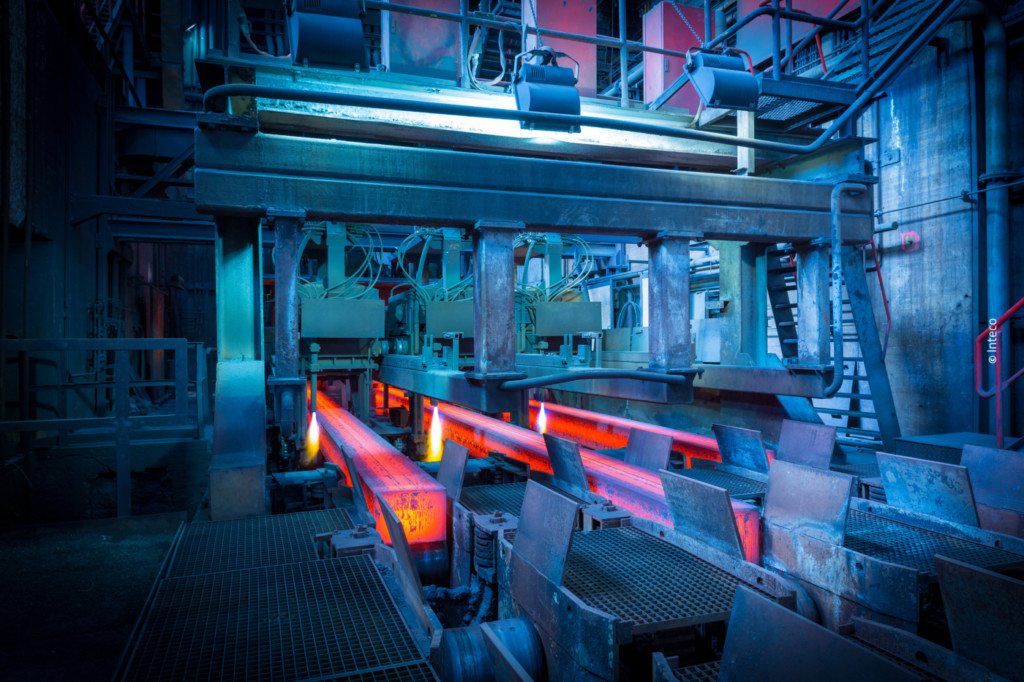
Project duration: 01 January 2019 – 31 December 2021

Objective:

MiReBooks produces a series of Virtual and Augmented Reality based (=Mixed Reality MR) interactive mining handbooks as a new digital standard for higher mining education across Europe. Many current challenges in mining education will be met in an innovative new way, by combining classical paper based teaching materials with MR materials and their transformation into pedagogically and didactically coherent MR handbooks for integrative classroom use.

The solution (technology):

MiReBooks is a new digital learning experience that will change the way we teach, learn and subsequently apply mining. By taking traditional paper based education material and enriching it with virtual and augmented reality based experiences (Mixed Reality), teachers can now convey and students now experience phenomena in the classroom that are usually not easily accessible in the real world. Complex issues of mining are no longer a challenging barrier for learning progress and students complete their studies with a more thorough comprehension of their discipline. Through thought through pedagogic inclusion in teaching plans, students will be able to take advantage of new ways of participation that are suitable for the needs of their generation. With MiReBooks, the way of teaching will change as instructors will be able engage their students in a more effective way and offer them an enriched content repertoire as well as a hightened comprehension opportunity.

The array of possible industrial mine environment examples that students can be immersed into becomes endless and thus the industry will receive graduates that are familiarized in-depth with a holistic view on the industrial context. Students will enter the job market skilled as digital natives and will highly influence the way the industry will work and develop in the future. Mixed Reality is certainly a most promising way to enable users to make the most of their learning experience and thus leverage the improvement of operational efficiencies and innovation. The tool is hence also attractive for industry application in professional training, to bring existing employees up-to-speed with the latest standards. MiReBooks will be the lubricant of change and innovation in the mining sector in terms of society and environment, safe and healthy working conditions and mining processes and equipment.

Partners:

Montanuniversität Leoben, Austria (Lead Partner)
Epiroc Rock Drills AB, Sweden
KGHM Cuprum sp. z o.o. Centrum Badawczo-Rozwojowe (KGHM Cuprum Ltd. Research & Development Centre), Poland
LTU Business AB, Sweden
Luleå University of Technology (LTU), Sweden
Luossavaara-Kiirunavaara AB, LKAB, Sweden
Rheinisch-Westfaelische Technische Hochschule Aachen (RWTH Aachen), Germany
TalTech University, Estonia
Technische Universitaet Graz (Graz University of Technology), Austria
Technische Universität Bergakademie Freiberg (TUBAF), Germany
Teknologian tutkimuskeskus VTT (Technical Research Centre of Finland Ltd. VTT), Finland
Università degli Studi di Trento, Italy
University of New South Wales (UNSW), Australia
Voest Alpine Erzberg (VA Erzberg), Austria

For more information, please visit the project website.

Mineral Processing/Resource Efficiency

MiReBooks-Preproject: Mixed Reality Handbooks for Mining Education

Project duration: 1 April 2018 – 31 December 2018

Objective

In order to establish a modern, digital learning environment for the raw materials engineers of tomorrow this project will develop a novel digitally based teaching standard in mining and an adequate teaching tool to complete it.

The solution (technology)

 In this pre-project, a prototype (two chapters of the future MR based handbook) will be created. A subsequent joint stakeholder evaluation will allow the development of precise digital teaching material for the graduate teaching of mining students based on virtual and augmented reality technology (Mixed Reality-MR).

Partnership

  • Montanuniversität Leoben, Austria, (Lead Partner)
  • Epiroc Rock Drills AB, Sweden
  • KGHM Cuprum sp. z o.o. Centrum Badawczo-Rozwojowe (KGHM Cuprum Ltd. Research & Development Centre), Poland
  • LTU Business AB, Sweden
  • Luleå University of Technology (LTU), Sweden
  • Luossavaara-Kiirunavaara AB, LKAB, Sweden
  • Rheinisch-Westfaelische Technische Hochschule Aachen, RWTH Aachen, Germany
  • Tallinn University of Technology (TalTech), Estonia
  • Technische Universitaet Graz (Graz University of Technology), Austria
  • Technische Universität Bergakademie Freiberg (TUBAF), Germany
  • Teknologian tutkimuskeskus VTT (Technical Research Centre of Finland Ltd. VTT), Finland
  • Università degli Studi di Trento, Italy

For more information, please visit the project web page.


Mineral Processing/Resource Efficiency

MOBI-US: Structured Mobilities for ESEE Raw Materials Master Programs

Project duration: 1 January 2020 – 31 July 2021

Objective

The aim of the MOBI-US project is to strengthen the networking of raw materials-related university master programmes by creating a set of structured mobility options for students between the ESEE partnering universities.

The solution (technology)

The project will set up a pilot network among four ESEE universities who run different RM-related master programs. Using structured mobility pathways, students may be specialized in fields less focused in their home programme.

Partnership

  • University of Miskolc, Hungary (Lead Partner)
  • University of Zagreb, Croatia
  • University of Zagreb – Faculty of Mining, Geology and Petroleum Engineering (UNIZG-RGNF), Croatia
  • Technische Universitaet Wien (Vienna University of Technology), Austria
  • Politechnika Wroclawska (Wroclaw University of Science and Technology, WUST), Poland
  • La Palma Research Centre for Future Studies SL, Spain
  • AGH University of Science and Technology, Poland
  • Aalto-Korkeakoulusaatio (Aalto University), Finland

For more information, please visit the project website.